Crawlspace Mold Remediation in Bergen County, NJ
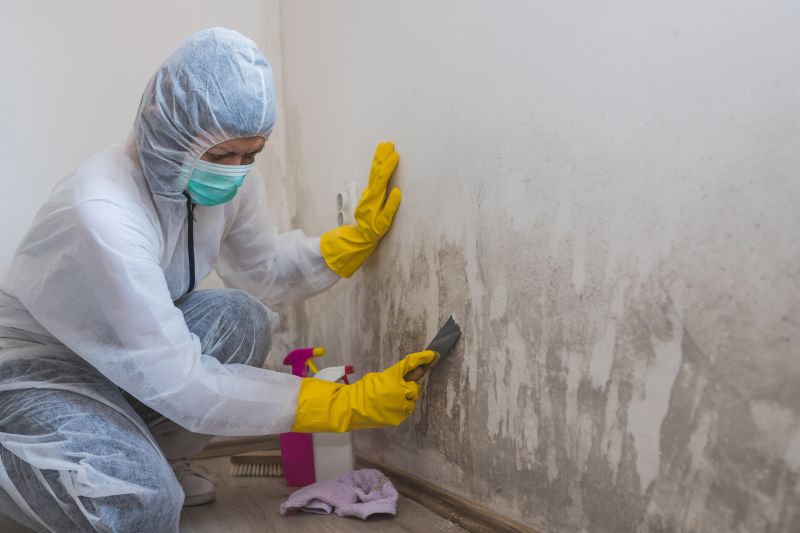
Crawlspace mold remediation involves identifying and removing mold growth in the often-hidden areas beneath a home. This service is typically requested when homeowners notice musty odors, visible mold patches, or experience health symptoms linked to indoor air quality. Projects can vary from small localized mold issues to extensive contamination affecting insulation, wooden structures, and ventilation systems. Property owners should understand that proper remediation requires thorough cleaning, mold containment, and sometimes the replacement of affected materials to prevent future growth.
Before requesting crawlspace mold remediation, homeowners usually want to know about the scope of work involved, potential causes of mold growth such as excess moisture or poor ventilation, and the importance of addressing underlying issues. It’s also common to inquire about the steps taken to ensure mold does not return and the types of materials that may need to be removed or treated. Ensuring these details are clear can help property owners make informed decisions about maintaining a healthy and mold-free crawlspace environment.
Many property owners in Bergen County, NJ look into Crawlspace Mold Remediation for repairs, replacements, upgrades, and appearance-related improvements.
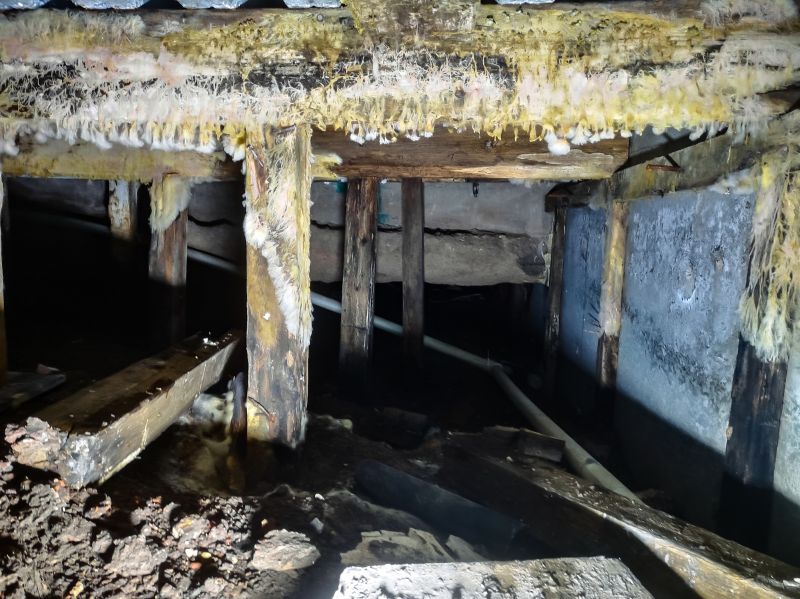
Signs Of Mold In Crawlspaces
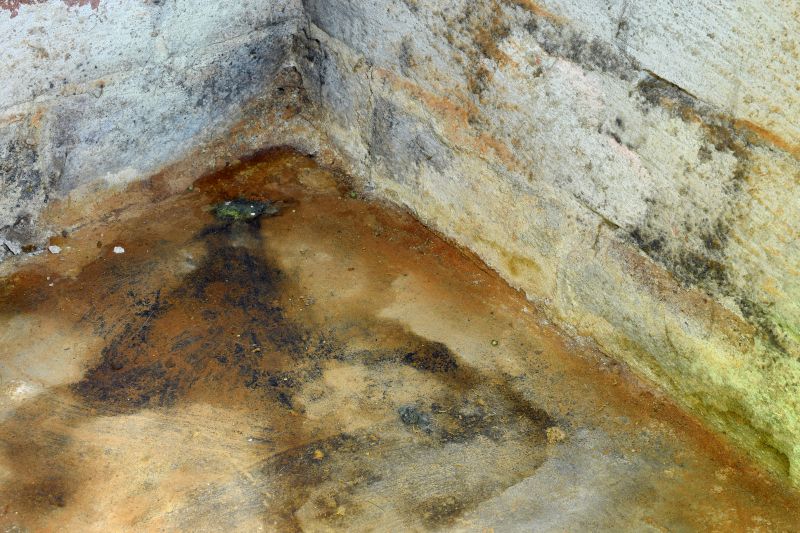
Homeowners in bergen county often notice mold growth or a musty odor in their crawlspaces.
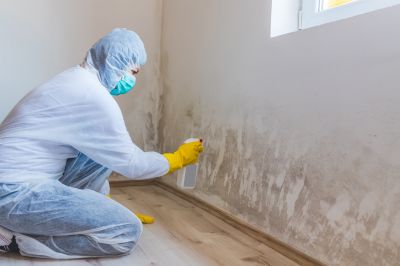
Health Risks Of Crawlspace Mold
Exposure to mold spores can cause allergy symptoms and respiratory issues for residents.
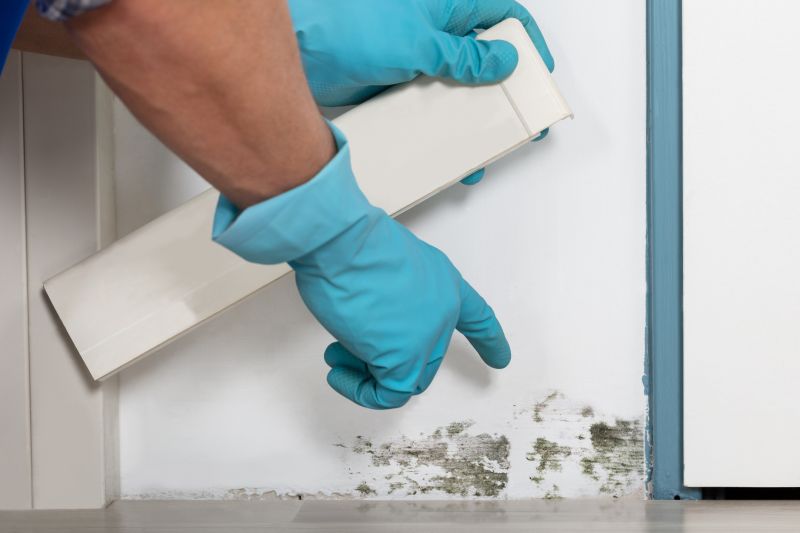
Remediation Process Overview
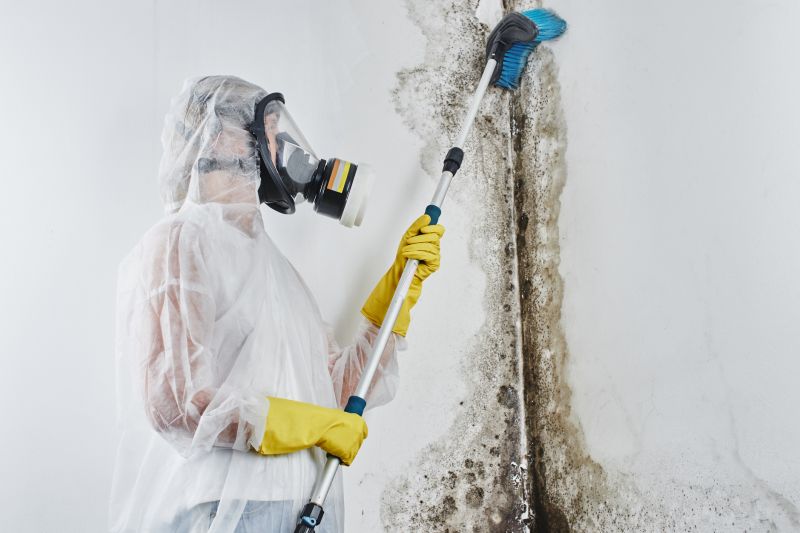
Effective mold removal involves cleaning affected areas and addressing moisture sources to prevent recurrence.
Crawlspace Mold Remediation in Bergen County, NJ
Crawlspace mold remediation involves identifying and removing mold growth in the often-hidden areas beneath a home. This service is typically requested when homeowners notice musty odors, visible mold patches, or experience health symptoms linked to indoor air quality. Projects can vary from small localized mold issues to extensive contamination affecting insulation, wooden structures, and ventilation systems. Property owners should understand that proper remediation requires thorough cleaning, mold containment, and sometimes the replacement of affected materials to prevent future growth.
Before requesting crawlspace mold remediation, homeowners usually want to know about the scope of work involved, potential causes of mold growth such as excess moisture or poor ventilation, and the importance of addressing underlying issues. It’s also common to inquire about the steps taken to ensure mold does not return and the types of materials that may need to be removed or treated. Ensuring these details are clear can help property owners make informed decisions about maintaining a healthy and mold-free crawlspace environment.
Many property owners in Bergen County, NJ look into Crawlspace Mold Remediation for repairs, replacements, upgrades, and appearance-related improvements.
Common Crawlspace Mold Remediation Jobs
Crawlspace Mold Remediation - removes mold growth from hidden crawlspace areas to improve indoor air quality.
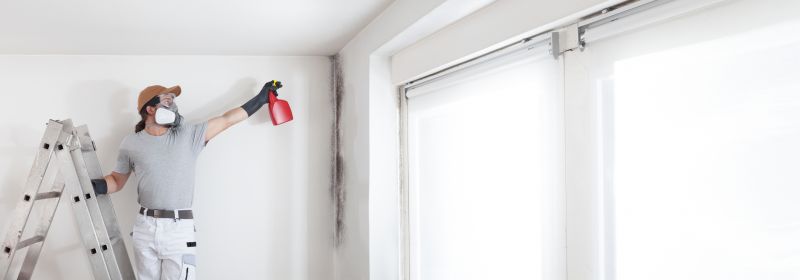
Mold cleanup and removal - eliminates existing mold colonies and prevents future growth.
Moisture control solutions - addresses excess humidity and leaks that foster mold development.
Crawlspace drying and dehumidification - reduces moisture levels to inhibit mold reappearance.
Mold-resistant treatments - applies protective barriers to prevent mold spores from settling and growing.
Inspection and mold testing - identifies mold presence and assesses the extent of contamination.
Crawlspace Mold Remediation Questions
What causes mold to grow in a crawlspace? Excess moisture and poor ventilation create ideal conditions for mold development under the home.
How can mold affect a home’s indoor air quality? Mold spores can become airborne, potentially leading to allergies or respiratory issues for occupants.
What are common signs of crawlspace mold? Musty odors, visible mold growth, and increased humidity levels are typical indicators.
What steps are involved in mold remediation? The process includes removing mold, drying the area thoroughly, and addressing moisture sources to prevent future growth.
Request Crawlspace Mold Remediation in Bergen County, NJ
Use the quote form on this page to share the basics of your project and request more information for the type of work you need.